Centre for Epidemiology and Biostatistics
Our research uses advanced methods in epidemiology, biostatistics, health humanities and social sciences, and our findings seek to significantly influence global public health policy. We share this research and contribute to the community using a range of knowledge transfer activities.
-
Research Themes
Our research is encompassed within several broad research themes. This multidisciplinary approach aims to increase the opportunities for researchers to collaborate on projects that span common themes.
-
Research Groups
An overview of the research interests within the school and the project work being carried out by our research groups.
-
Graduate Research
We are passionate about the training and mentoring of the next generation of scientists. A range of research degrees are offered at Master and Doctorate level.
Whether you're just starting out or a seasoned professional, we have something to suit your needs and schedule. With the highest teaching evaluations in the Faculty of Medicine, Dentistry and Health Sciences we are proud to offer our coursework and short course programs to our leaders and future leaders.
-
Degrees
Our degrees, taught by our world-renowned academics are the perfect way to begin in population and global health.
-
Short Courses
Our short courses are designed to keep you up to date with the latest research and information.
-
Single subjects
Single subject study can be a stepping-stone to further qualifications or an upskilling opportunity. Develop knowledge and skills without the commitment of a full course from the School offering of over 50 subjects.
-
Scholarships, Bursaries and Prizes
The Faculty of Medicine, Dentistry and Health Sciences offer an extensive range of scholarships and bursaries to undergraduate and postgraduate coursework students.
Student Placements
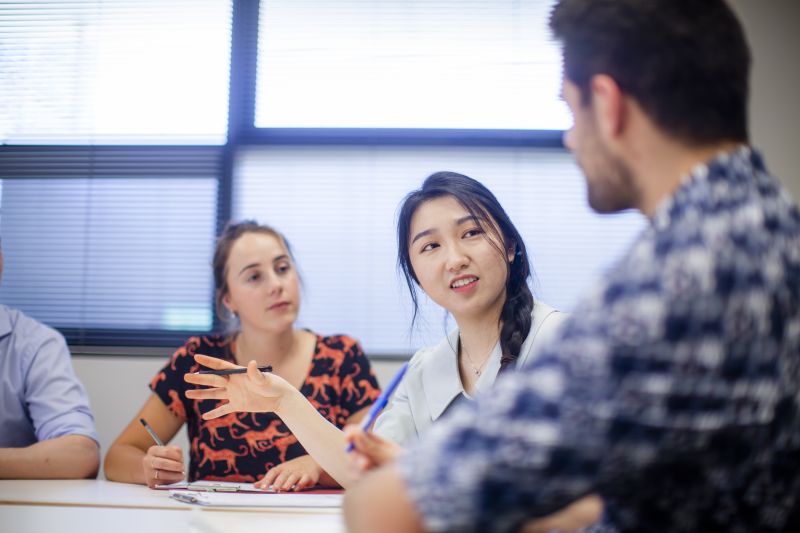
Work-integrated learning, including placement, provides career-defining experiences for students and is integral to many programs within
the Faculty of Medicine, Dentistry and Health Sciences.
Thank you for your interest in engaging with the Melbourne School of Population and Global Health. As a friend and supporter of the school, you can support ground-breaking research, help create scholarships for our students, build important partnerships and promote community engagement.
-
Alumni
Our pride in our graduates and in their lives spent improving the health and well-being of others is matched by our desire to maintain strong connections with all who have passed through our doors.
-
Support
We are grateful for the many ways in which our alumni and donors support our work.
-
Partners
We recognise partnerships and collaborations are an integral facet of our development and a major strength of the school.
-
Community
The School aims to be of value to the community through its teaching, research and program implementation.

Pebbles Study
We're looking for new mums (with a family history of eczema, asthma or allergy) and babies to help us find a way to prevent eczema and food allergies.
Welcome to the Centre for Epidemiology and Biostatistics
Big data, changing infectious diseases patterns, and multi-disciplinary collaborations are transforming the ways public health disciplines are researched and taught.